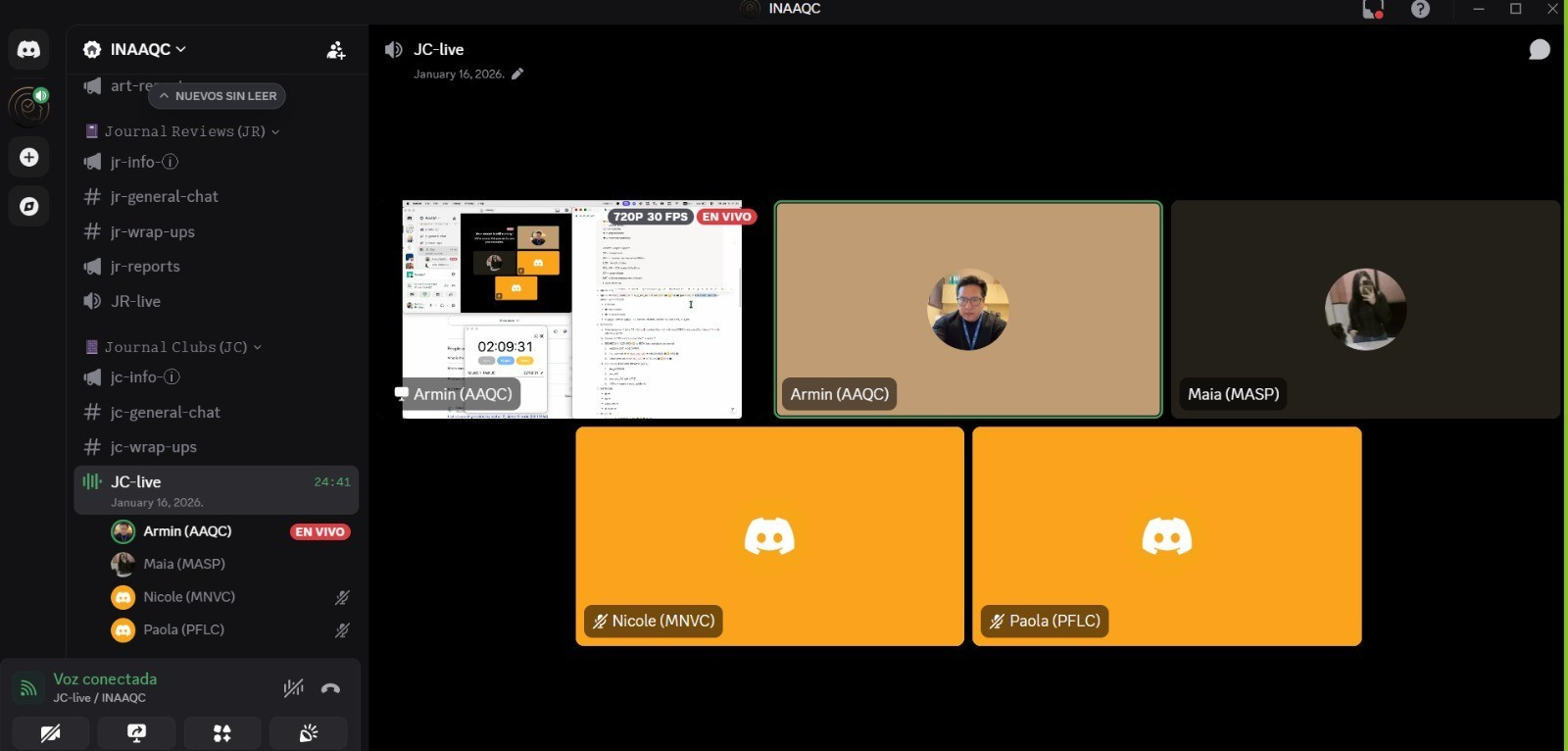
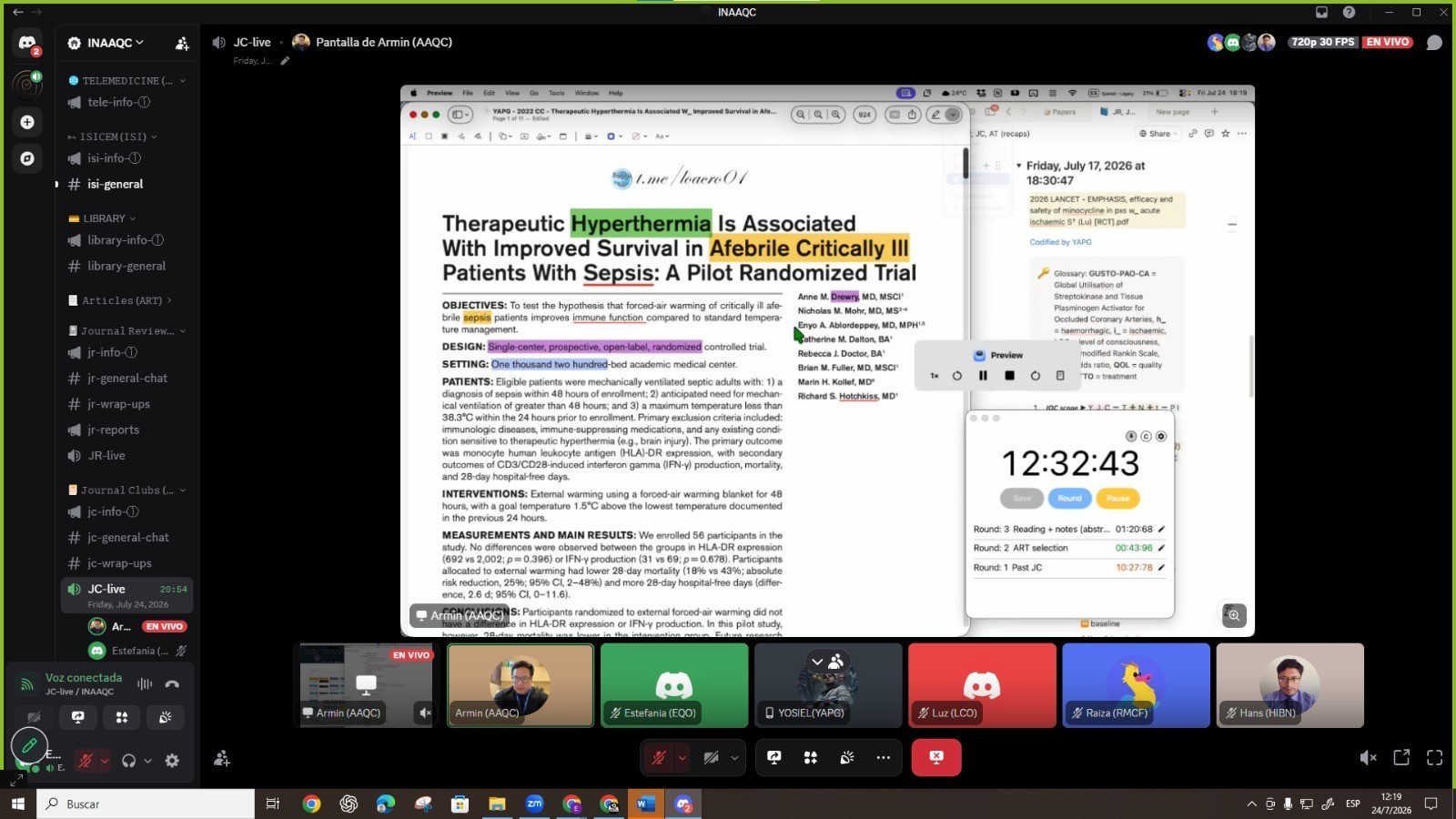
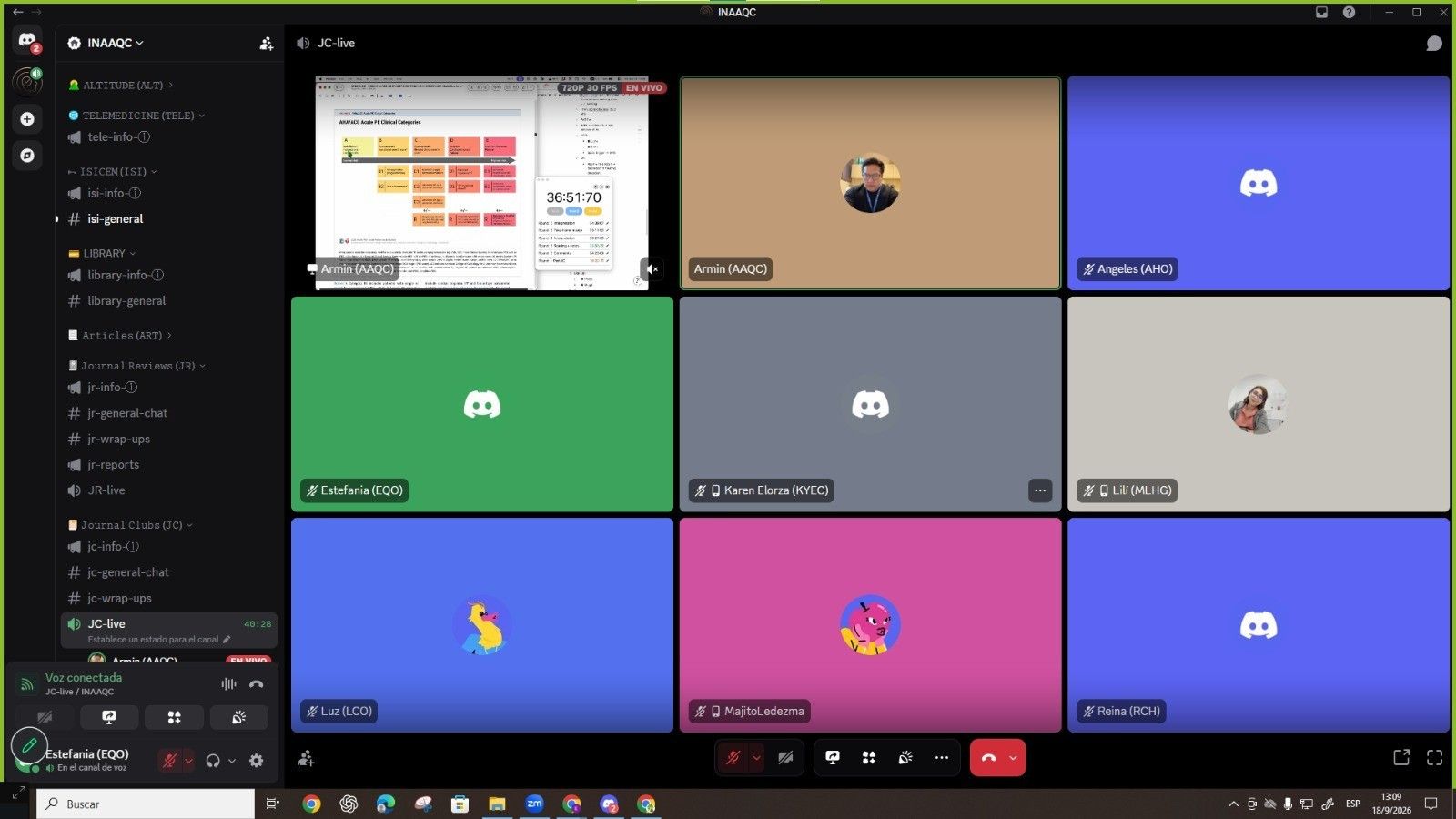
1. A JC is an academic session in which we go through a scientific article over 60-90 min.
2. It takes place every Friday via our JC Discord channel – see calendar.
3. Its purpose is to:
- Understand, discuss and dissect relevant elements from the content.
- Appraise whether they apply to or change our clinical practice.
- Identify learning opportunities and potential research questions.
4. The selected article for the week is posted in our dedicated WhatsApp group.
5. We take interactive and pedagogic notes in a shared document, using visual aids, highlighting, underlining, arrows, and conceptual links to connect ideas and facilitate understanding.
6. For each session, we create RECAP key points and publish them on our website.
7. In the following session, we briefly recall the previous JC’s RECAP to reinforce learning through retrieval practice.
Brief scope glossary
- 𝙄𝙌𝘾 BS 🟰 𝙄𝙉𝘼𝘼𝙌𝘾 ᴮᴼ brief scope 🟰 Y, J, C ➖ T ➕ N ➕ t ➖ P I C O:
- year (Y), journal (J), country (C) ➖ type of study (T) ➕ patients/sample number (N) ➕ time (t) ➖ population (P), intervention (I), comparison (C), outcome (OC).
⚡️ = cardiac arrest, 🤓 = analysis, 💨 = flow, 📈 = arrhythmia, 🗣 = suggestion(s), 🩸 = blood = hematology, 🪲 = infections, 🧠 = brain, 🫀 = heart, 🫁 = lungs, 🫃🏽 = abdomen = abdominal, ♾️ = kidneys = renal, ◸ = liver = hepatic, ➰ = pressure, 💪🏽 = muscle, ⭕️ = circulation, 🥊 = inflammation, ★ = recommendation(s), ↑ = increase, ↓ = decrease, ↗️ = improve, ↘️ = worsen, 𝗘𝗫 = exclusion, 𝗜𝗡 = inclusion, CIpxs = critically ill patients, DX = diagnosis, h_LOS = Hospital length of stay, icu_LOS = ICU length of stay, inc_ = incident, MA = metaanalysis, mc = multicentric, MM = mortality, MM90 = mortality at 90 days, pOC = primary outcome(s), pxs = patients, RCT = randomized controlled trial, sOC = secondary outcome(s), sr = systematic review, SS = survival, w_ = with, wo_ = without, yo = years old.
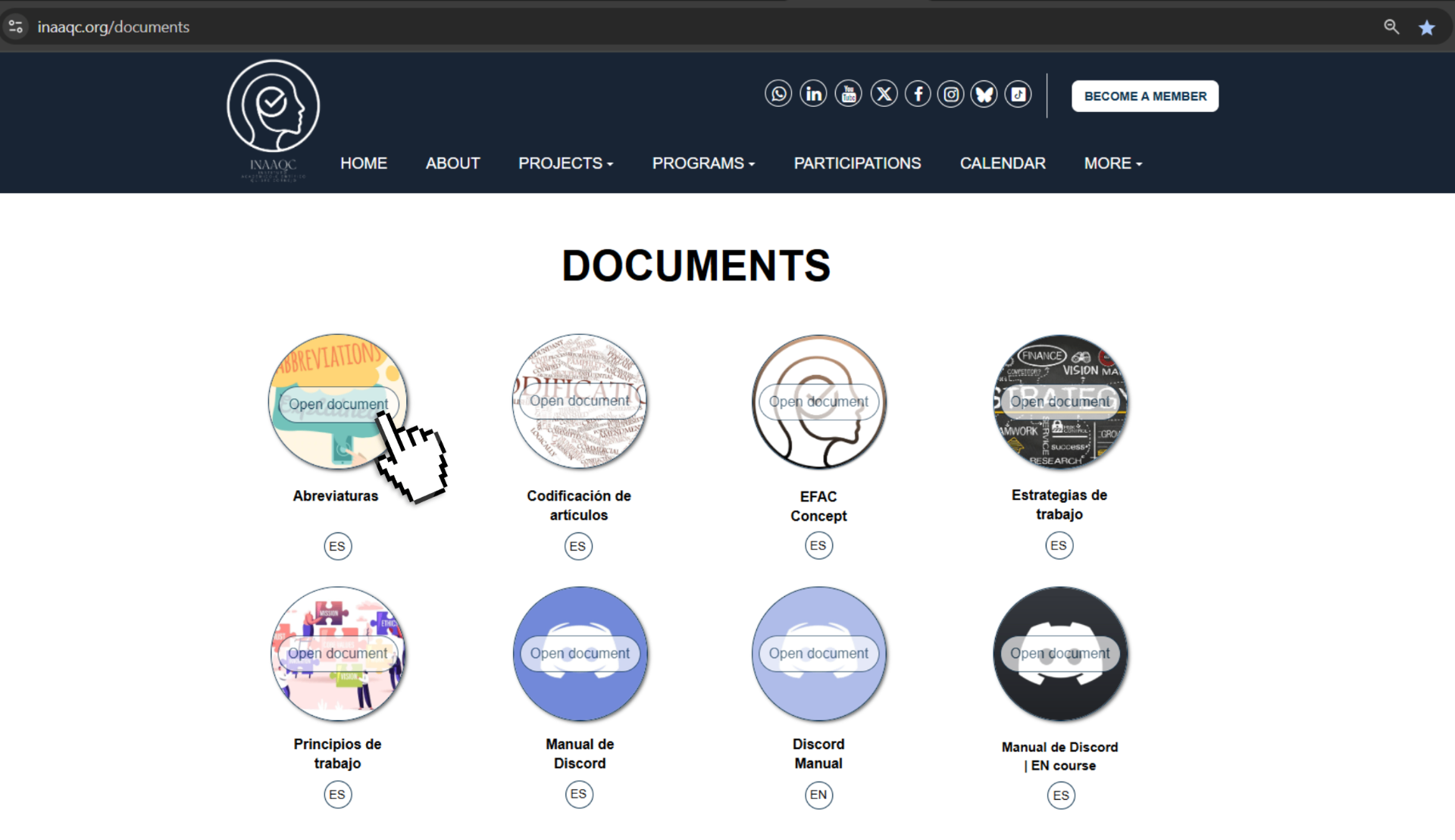
Complete glossary here
⏳ TIME MANAGEMENT.
01:43:52
Round: 9 00:53:23 Comments
Round: 8 42:13:02 Interpretation all
Round: 7 08:52:45 Interpretation
Round: 6 02:51:21 I: read + notes
Round: 5 05:10:92 Structure
Round: 4 19:19:16 Reading + notes + interpretation
Round: 3 06:37:83 ART selection
Round: 2 00:35:50 Comments
Round: 1 17:19:20 Past JC
⏳ TIME MANAGEMENT.
01:39:50
Round: 11 01:09:41 Comments
Round: 10 40:00:54 Wrap-up
Round: 9 14:52:95 Interpretation
Round: 8 02:56:81 Reading + notes
Round: 7 08:52:19 Interpretation
Round: 6 04:12:06 REading + notes
Round: 5 11:53:50 Interpretation
Round: 4 03:10:69 Reading + notes
Round: 3 04:19:05 ART selection
Round: 2 00:55:75 Comments
Round: 1 07:27:80 Past JC
⏳ TIME MANAGEMENT.
01:29:16
Round: 10 01:59:19 Comments
Round: 5 15:02:89 Wrap-up
Round: 4 07:09:52 Interpretation
Round: 3 05:49:09 Reading + notes
Round: 2 03:07:86 ART selection
Round: 1 07:57:68 Past JC + 10min
Friday, March 27, 2026 at 17:05:30 in BE
LH, EQO, HIBN, MASP, AAQC
2026 AIC - Subphenotyping hypotension in early S•, A physiology-guided therapeutic approach (sanchez) [ed].pdf
Codified by YAPG
GLOSSARY: ★ = recommendation(s), DAP = diastolic arterial pressure, DSI = diastolic shock index, HD = hemodynamics, Mech = mechanism, PP = pulse pressure, SAP = systolic arterial pressure, SV = stroke volume, artT = arterial tone, vT = vascular tone, venT = venous tone, 💨 = perfusion, 🫀 DYSF = cardiac dysfunction
1. Continuation…
2. Subphenotypes (3)
a. ↓VOL
i. Mech ▶︎ ABSOLUTE ↓VOL ↔ INF ➕ preserved vT
ii. HD ▶︎
1. ↓CO secondary to ↓SV ➩ ↓PP ➩ ↓MAP
a. PP = SAP - DAP
2. HR ↑ as a compensatory mech
3. DAP not ↓ (if vT is preserved)
iii. TTO response ▶︎
1. When ↓BP + ↓ peripheral 💨 ➩ FR is needed, to ↑:
a. Stressed 🩸 volume
b. venous return
c. SV
b. ↓ vT
i. Mech ▶︎
1. ↓ artT + venT
2. Venous DILATION ➩ relative ↓VOL (redistribution: stressed → unstressed 🩸VOL)
ii. HD ▶︎
1. Causes: ↓ DAP + ↑ DSI (DSI = HR/DAP)
2. MAP is ↓
3. CO is variable, depending: DEGREE of “relative ↓ VOL” → ↓ vT
4. TTO response ▶︎
a. IF “↓BP + peripheral ↓💨” , NE is the TTO.
i.. alfa 1 - adrenergic
ii. ↑ artT ➩ ↑DAP + MAP
iii. ↑ venT ➩ moves 🩸 → stressed compartment.
c.🫀 DYSF
i. Mech ▶︎
1. 🫀 depression ↔ S•
2. Impaired CONTRACTILITY
ii. HD ▶︎
1. ↓ SV
2. ↓ PP
3. ↓ MAP
4. DAP preserved
5. DIFFICULT to distinguish FROM ↓VOL, so consider other factors:
a. context
b. previous 🫀 DIS
c. CV comorbidities
d. Clinical findings (🫁 edema)
6. ECHO is needed.
iii. TTO response ▶︎
1. Inotropic.
d. MIXED
⏳ TIME MANAGEMENT
02:29:16
Round: 10 01:59:19 Comments
Round: 9 11:47:81 Wrap-up
Round: 8 12:03:26 Interpretation
Round: 7 03:32:76 Reading + notes
Round: 6 01:17:72 Comments
Round: 5 15:02:89 Wrap-up
Round: 4 07:09:52 Interpretation
Round: 3 05:49:09 Reading + notes
Round: 2 03:07:86 ART selection
Round: 1 07:57:68 Past JR + 10min
2026 AIC - Subphenotyping hypotension in early S•, A physiology-guided therapeutic approach (sanchez) [ed].pdf
Codified by YAPG
Glossary: ACIP = CDC Advisory Committee for Immunization Practices, cHTA = chronic hypertension, CRT = capillary refill time, DAP = diastolic arterial presssure, DM = diabetes, DSI = diastolic shock index, DYSF = dysfunction, PP = pulse pressure, SAP = systolic arterial pressure, SI = shock index, VRBPAC = FDA’s Vaccines and Related Biological Products Advisory Committee
1. ↓ MAP ➩ poor OC
2. S• induced ↓BP ▶︎
a. ↓ VOL ➩ preload
b. ↓ vascular tone ➩ afterload
c. 🫀 DYSF ➩ contractility
d. Combination
3. Vasoplegia does NOT allow ↑ tissue perfusion
4. FLUID ACCUMULATION ➩ worse OC
5. Concerns ▶︎ need for early subphenotype-tailored therapeutic strategy.
6. Bedside variables to guide therapy:
a. CRT. Does not define ↓AP subphenotype alone, but CENTRAL to decision-making
i. Prolonged = need for therapy.
ii. Normal = correction of ↓➰ unnecessary UNLESS other signs of ↓💨 (altered mental status)
iii. Its RESPONSE helps identify the underlying mech and the plan (continue ⌄ change ).
b. PP.
i. ↓PP = ↓SV
ii. Arterial stiffness 🚨
iii. Elderly + cHTA + DM ▶︎ “apparently” normal (40-50 mmHg) 🟰 ↓SV
c. DAP.
i. Except ↓HR, ↓ DAP (<45-50) 🟰 ↓ vascular tone
d. DSI
i. HR / DAP.
ii. ↑DSI (>3) ▶︎ severe VASODILATION
iii. More reliably than ↓DAP
iv. ≠ SI ▶︎ HR / SAP.
4. P-PHY subphenotypes
a. ↓VOL
b. ↓ vascular tone
c. 🫀 DYSF
1. 𝙄𝙌𝘾 BS ➩ Y, J, C ➖ T ➕ N ➕ t ➖ P I C O:
2. 𝙄𝙌𝘾 BS 🟰 2021, IJGO, UK ➖ srMA ➕ 2524, 59 IN ➕ -Nov 11, 2020 ➖ P I C O:
- P: hALT pregnant
- 🅸: preg hALT
- 🅲: preg non-hALT
- O: pOC = hALT impact on LBW, SGA, SPTB | sOC = magnitude LBW
3. EVIDENCE.
4. METHODS.
- 𝗜𝗡 ➠
- 𝗘𝗫 ➠
- RANDOM ➠
- INTERV ➠
5. RESULTS.
6. RATIONALE.7. LIMITATIONS.
Friday, March 13, 2026 at 16:31:12 in BE
MASP, AAQC, PFLC, MNVC
⏳ TIME MANAGEMENT.
01:01:21
Round: 6 03:29:58 Comments
Round: 5 28:48:61 Interpretaion
Round: 4 09:56:25 Reading + notes
Round: 3 07:27:69 ART selection
Round: 2 01:37:51 Comments
Round: 1 10:01:43 Past JC
2026 BMJ - Careful ventilation in ARDS (Coudroy) [RCT].pdf
Codified by 𝙄𝙉𝘼𝘼𝙌𝘾 ᴮᴼ (MASP)
Glossary: c-ARDS = COVID ARDS, d_ = duration, d_MV = duration of mechanical ventilation, EFF = efforts, hLOS = hospital length of stay, icuLOS = ICU length of stay, inspE = inspiratory effort, oDYS = organ dysfunction, Paw = airway pressure, Pinsp = inspiratory pressure, PSILI = patient self-induced lung injury, s&s = stress and strain, SOC = standard of care, s-t = short-term, VILI = ventilator- induced lung injury
1. 𝙄𝙌𝘾 BS ➩ Y, J, C ➖ T ➕ N ➕ t ➖ P I C O:
2. 𝙄𝙌𝘾 BS 🟰 2026, BMJo, ARG + CA + CL + FR + IT + ES + NL + US ➖ invest-led_mc_ol_RCT (basket) ➕ 740 ➕ 6y (Nov 2020 - Jul 2026) ➖ P I C O:
🅿: ARDS & c-ARDS
🅸: 2 ventilatory strategies
🅲: SOC
🅾: pOC = MM60 | sOC = d_MV ➕ d_icuLOS & hLOS
3. EVIDENCE
a. 10% of ICU admissions is ARDS
b. 23% of ventilated pxs is ARDS
c. s-t MM is 40% 😳
d. Causes: 🫁 , S•, TRAUMA, pancreatitis
e. 🫁 ➩ inflamed + edematosos ➩ ↓ volume + compliance ▶︎ difficult ventilation
f. MV can cause VILI ➩ adverse HD consequences
g. c-ARD ➩ severe form ➕ complex physiology ➕ varies widely ➕ ★ uncertain. ▶︎ ↑ ↑ ↑ MM
h. NO TTO for the alveolar-capillary leak
i. YES supportive TTO ➩ MV ➕ NMB ➕ prone
j. RCT ▶︎ GL ▶︎ ↓r VILI w_: ↓Vt ➕ ↓Paw ➩ ↓ stress & strain
k. Other STUDIES ▶︎ contemporary strategies are NOT SUFFICIENTLY protective.
l. PEEP is not used properly:
i. ↓ atelectrauma 🟰 opening + closing of alveoli
ii. ↑ recruitment 🟰 ↑ aerated 🫁 →∑ ↓ s&s
m. ↑ ↑ ↑ PEEP ➩ ↑MM [when alveoli NOT recruitable]
n. Authos described a technique to measure ALVEOLAR RECRUITABILITY
o. Spontaneous breathing & assisted MV ➩ PSILI
p. 🫁 DRIVE ▶︎ ⊕ 🫁 ➕ systemic INFLAMMATION ➕ unmyelinated afferent fibres ➕ slow & rapid adaptive receptors (nociceptive stimuli + blunted ⊖ response).
i. ↑ in ARDS pxs
ii. ↑ ↑ in c-ARDS pxs
iii. ↔ ↑d_MV
iv. ↑ MM
q. 🫁 inspE ▶︎ ↑ distending (transpulmonary) pressure ▶︎ 🫁 🥊 ➕ oDYS
r. HYPOTHESIS: 🫁 injury ↓ ➕ SS ↑
i. individualizing PEEP
ii. ↓ MAX Pinsp
iii. ↓ magnitude spontaneous breathing EFF
s. PEEP
i. Set wo_knowledge of the potential of recruit – only set on O2
ii. ← RCTs compared 2 levels of PEEP ➩ BUT, none looked at 🫁 recruitment.
iii. Noncrecuitable 🟰 r_overdistention
iv. Recruitable 🟰 repetitive 🫁 open-close
v. ★ ➩ ↑ PEEP but individual ★ vary.
vi. List
4. SOURCE: https://pubmed.ncbi.nlm.nih.gov/41730551/
⏳ TIME MANAGEMENT.
02:29:16
Round: 10 01:59:19 Comments
Round: 9 11:47:81 Wrap-up
Round: 8 12:03:26 Interpretation
Round: 7 03:32:76 Reading + notes
Round: 6 01:17:72 Comments
Round: 5 15:02:89 Wrap-up
Round: 4 07:09:52 Interpretation
Round: 3 05:49:09 Reading + notes
Round: 2 03:07:86 ART selection
Round: 1 07:57:68 Past JR + 10min
Friday, April 24, 2026 at 18:35:53 in BE
TGA, MASP, AAQC, HIBN
2026 AIC - Subphenotyping hypotension in early S•, A physiology-guided therapeutic approach (sanchez) [ed].pdf
Codified by YAPG
Glossary: d_ = during, FR = fluiid responsiveness, hLOS = hospital lenght of stay, iFR = fluid responsiveness indices, ivT-R = indices of vascular tone responsiveness, r⌄i = responsiveness or intolerance, SUPP = support, VA = vasoactives, µCIR = microcirculatory, 🫀 = heart, 🫁 = lungs
1. Mixed subphenotypes:
a. SEPSIS ➩ combinations:
i. ↓VOL + ↓vT
1. ↓ PP + ↓ DAP
2. TTO ➩ fluids + NE
3. Delaying NE is RISKY ▶︎
a. fluids may worsen VASODILATION.
b. early NE movilizes VENOUS BLOOD
ii. 🫀DYSF + ↓vT ⌄ 🫀DYSF + ↓VOL. Before DOBUTAMINE:
1. Dx 🫀 DYSF should be WELL STABLISHED.
2. ANY ↓VOL ➕ ↓vT SHOULD BE corrected. If Dobuta:
a. Poorly tolerated.
b. ↘️ ↓vT
iii. MIXED 3 mechs ➩ varying proportions (emerging + receding + combining to ≠ degrees)
2. Beyond early subphenotyping
a. Subphenotying is not all.
b. Additional considerations:
i. MAP targets
ii. FR r⌄i
iii. VP r⌄i
iv. Evolving µCIR behavior
v. need ongoing ADJUSTMENT
c. Advanced clinical TOOL
i. ScvO2
ii. ∆CO2
iii. iFR
iv. ivT-R
v. VExUS
d. More invasive HD monitoring ➩ in COMPLEX CASES
i. unresponsive to initial therapy
ii. fluid benefit-risk assessment (e.g. ARDS)
e. Integration of all ➩ implementation of a PESRONALIZED, PX TAILORED APPROACH.
3. CLIINICAL IMPLICATIONS
a. Subphenotyping is a KEY STEP → precision resuscitation.
b. When combined w_CLINICAL CONTEXT ➕ SIMPLE BEDSIDE MARKERS 🟰 ID mechs ▶︎ administer fluids, VP, INO, ⌄ combination.
c. Recent evidence ▶︎ ANDROMEDA-SHOCK-2
i. ↑ OC
ii. 🅸 CRT-PHR = personalized hemodynamic resuscitation protocol
targeting capillary refill time
iii. pOC = combined: MM ➕ d_vital SUPP (VA, MV, RRT) ➕ hLOS 28d
iv. 🅸 (better) 🆚 usual care
⏳ TIME MANAGEMENT.
01:48:07
Round: 7 01:11:38 Comments
Round: 6 21:12:56 Wrap-up
Round: 5 41:46:90 Interpretation
Round: 4 03:56:96 Reading + notes
Round: 3 00:14:59 Same topic
Round: 2 37:30:69 Continue wrap-up
Round: 1 02:13:96 Past JC
Friday, April 10, 2026 at 18:15:06 in BE
SR, HBN, EQO, MASP, AAQC
2026 ICM - Temporary mechanical support in fulminant myocarditis, prognostic factors + clinical implications, FULLMOON study (Schmidt) [R].pdf
Codified by YAPG
Glossary: AdvOC = adverse outcomes, EMB = endomyocardial biopsy, FM = fulminant myocarditis, HTx = heart transplantation, LVAD = left-ventricular assist device, t-MCS = temporary mechanical circulatory support, wOC = worse outcome.
1. 𝙄𝙌𝘾 BS ➩ Y, J, C ➖ T ➕ N ➕ t ➖ P I C O:
2. 𝙄𝙌𝘾 BS 🟰 2026, ICM, 15C ➖ cohort FULMOON (int_mc_retro_”registry”) ➕ 295/419 pxs (36 centers)➕ Jan 2008 - Jan 2020 (12y) ➖ P I C O:
🅿: FM + V-A ECMO ± impella
🅸: NA
🅲: NA
🅾: pOC = MM 1y ⌄ HTx ⌄ LVAD
3. EVIDENCE
a. FULLMOON ▶︎ EHJ 2023, Huang et al. ➩ DX made by:
i. histologically = 50%
ii. autopsy = 28%
iii. MRI = 23%
b. t-MCS ▶︎ ↑ used in FM ➩ OC + rf are POORLY DEFINED.
4. METHODS.
5. RESULTS.
a. Age 39y (55% ♀)
b. Confirmed 69% (histological + MRI)
c. Causes:
i. HTA
ii.🩸 hh
iii. SSØ
d. UNIVARIATE
i. diastolic HTA (RR 2,7. p=0.0001) AUROC 0,58. p=0.003
ii. severe bleeding > 1000mL (RR 11. p=0.0001) AUROC 0,56. p=0.03
iii. CRT > 3,5s (RR 14,2. p=0.0001) AUROC 0,72. p=0.001
e. MULTIVARIATE
i. severe bleeding > 1000mL
ii. CRT > 3,5s
f. Better RR with CRT.
Friday, May 29, 2026 at 18:14:30 in BE
TGA, KYEC, MLHG, HIBN, AAQC,
⏳ TIME MANAGEMENT.
01:25:51
Round: 6 02:13:52 Comments
Round: 5 25:07:88 RECAP
Round: 4 36:11:17 Interpretation
Round: 3 09:30:58 Reading + notes
Round: 2 05:32:34 JR selection
Round: 1 07:16:23 Past JR
6. RATIONALE
a. Pregnancy is related to microcirculation derangements.
b. Sublingual alterations shown.
c. Strong prolonged CRT ↔ sublingual µCIR ➩ SSØ
d. Current TTO might MODULATE this network.
7. SOURCE: Monares Zepeda et al. Critical Care https://doi.org/10.1186/s13054-025-05404-9 (2025) 29:231
2026 BMJ - CAVIARDS, careful ventilation in ARDS (Coudroy) [RCT].pdf
Codified by 𝙄𝙉𝘼𝘼𝙌𝘾 ᴮᴼ (MASP)
Glossary: c-ARDS = COVID ARDS, d_ = duration, d_MV = duration of mechanical ventilation, EFF = efforts, hLOS = hospital length of stay, hPEEP = high PEEP, icuLOS = ICU length of stay, inspE = inspiratory effort, NRD = neural respiratory drive ✩, oDYS = organ dysfunction, Paw = airway pressure, Pinsp = inspiratory pressure, Pplat = plateau pressure, PSILI = patient self-induced lung injury, Ptp = transpulmonary pressure, REC = recruitability, rf = risk factors, s&s = stress and strain, SOC = standard of care, s-t = short-term, VILI = ventilator- induced lung injury
1. 𝙄𝙌𝘾 BS ➩ Y, J, C ➖ T ➕ N ➕ t ➖ P I C O:
2. 𝙄𝙌𝘾 BS 🟰 2026, BMJo, ARG + CA + CL + FR + IT + ES + NL + US ➖ invest-led_mc_ol_RCT (basket) ➕ 740 ➕ 6y (Nov 2020 - Jul 2026) ➖ P I C O:
🅿: ARDS & c-ARDS
🅸: 2 ventilatory strategies
🅲: SOC
🅾: pOC = MM60 | sOC = d_MV ➕ d_icuLOS & hLOS
3. EVIDENCE
a. 2 criteria to set PEEP (for this study):
i. R/I ratio → for predicting alv_REC
ii. «One-breath decremental PEEP» → distinguishes: recruitable 🆚 non-recruitable
iii. <5min
iv. It should:
1. avoid harm of hPEEP (when not recruitable)
2. allow hPEEP only when recruitable
v. This happens when R/I >0.5.
b. Airway closure
i. Complete closure is >5 cmH2O ➩ 30-40% ➩ defines the minimum PEEP.
ii. Humans and animal might have the same damage.
iii. Pressure-time curve helps detecting it. (low-flow inflation)
iv. PRO: (due to better understanding of the alveoli than Paw)
1. avoiding repeated opening-closure.
2. corrects assessment of plateau + driving P
v. Necessary step BEFORE measuring recruitability.
c. Maximal inp distending P
i. Assessed by Pplat → to titrate Vt
ii. GL ▶︎ limits Vt + Paw + PEEP
d. 🫁 drive ➕ spontaneous breathing effort
i. D_SPONTANEOUS breathing: ↑ resp drive ➕ large resp efforts 🟰 PSILI + diaphragm DYS
ii. 2018 ICM, Brochard… 2020 BLUE, Rittayamai ➩ P0.1
1. simple tool on ventilator
2. Reflects: NRD ➩ guide level os assistance + sedation.
3. ∑ ↓r: excessive Ptp ➩ ↓ rPSILI
iii. MECHS assessment CONTROLS the 3rf (underlined above)
iv. MECHS:
1. alveoli recruitability
2. R/I ratio
3. total PEEP
4. Pplat
5. ∆P
6. resp system COMPLIANCE
7. P0.1
e. HYPOTHESIS. individualizing ventilator setting based on RESP MECHS → more effective ✔︎
⏳ TIME MANAGEMENT.
01:22:05
Round: 7 02:33:44 Comments
Round: 6 29:57:18 RECAP
Round: 5 11:17:01 Interpretation
Round: 4 01:13:60 Reading + notes
Round: 3 23:06:18 Evidence (2nd part)
Round: 2 13:21:09 JC continuation
Round: 1 00:37:39 PAst JC
Friday, May 8, 2026 at 18:30:59 in BE
SC, TGA, RCH, BAR, DEPZ, YAPG, HIBN, AAQC,
2022 CC - Neostigmine for intra‑abdominal hypertension in acute pancreatitis (he) [RCT]
Codified by 𝙄𝙉𝘼𝘼𝙌𝘾 ᴮᴼ (AAQC)
Glossary: ACS = acute compartment syndrome, ADM = admission, AP = acute pancreatitis, CT = computed tomography, DIS = discharge, DYS = dysfunction, FLU = fluid balance, HD = hemodynamic, IAH = intra-abdominal hypertension, ITW = interview, NG = nasogastric, NJ = nasojejunal tube, OD = organ dysfunction, OF = organ failure, PCD = percutaneous catheter drainage, SAP = severe acute pancreatitis, sc = single center, Sx = surgery, UTI = urinary tract infection, WSACS = World Society for Abdominal Compartment Syndrome, 𝗡𝗢 𝗗𝗜𝗙𝗙 = no difference
1. 𝙄𝙌𝘾 𝙨𝙘𝙤𝙥𝙚 ▶︎ Y, J, C ➖ T ➕ N ➕ t ➖ P I C O:
2. 𝙄𝙌𝘾 BS 🟰 2022, CC, CH 🇨🇳 (Nanchang) ➖ sc_pg_sup_pII_RCT ➕ 80 (40 x 40) ➕ Sep 2015 - Aug 2017 ➖ P I C O:
- 🅿: adults: AP + IAH (18 - 70 yo)
- 🅸: neostigmina → 1mg every 12h, 8h or 6h… depending on response.
- 🅲: onventional TTO f_7d
- 🅾:
- pOC = % ↓IAP at 24h (efficacy)
- sOC = 💩 ↑ stool volume, ACS, new-onset ACS, ↘️ IAH, new OD, MOD, MM, 🫁 respiratory OF, 🫀 circulatory OF, ♾️ renal OF, 🥣 timing of EN, 🩸 IA bleeding, 🫃🏽 enterocutaneous/enteric fistula, and Æ.
3. EVIDENCE
a. IAH in AP ↔ ORGAN DYS
b. SAP ↔ ↑ MM
c. IAH = IAP ≥12 mmHg (WSACS)
d. Prospective ▶︎ 37% MM → AP + IAH (17% of IAH in AP)
e. Inflammatory state:
i. edema
ii. fluids collections
iii. ascites
iv. gut injury → PARALYTIC ILEUS
v. gastric dilatation
f. When IAP >20mmHg → ACS ➕ OD
g. Descompression → morbidity
i. ∑ non-operative are preferred:
1. NG decompression
2. promotility agents
3. PCD
h. Neostigmine:
i. anti-cholinesterase
ii. ↗️ peristaltis
iii. promotes passage of FLATUS + defecation
iv. colonic decompression
v. WSACS → 🅸 as TTO for colonic ileus IF no response to simple measures.
i. Colonic ileus CONFIRMATION (difficult to perfom in OD ⌄ HD instability):
i. X-ray in standing position
ii. CT
j. IF conventional TTO fail ➩ think of paralytic ileus → NEOSTIGMINE could help.
4. METHODS.
- IAH within 2 w of AP onset → conventional TTO f_24h
- IAP ≥12 mmHg
- H laparotomy
- IA bleeding
- contraindication neostigmin
- 🫀 angina,
- MI,
- VT,
- bradycardia,
- acute circulatory failure;
- 🧠 epilepsy;
- 🫁 bronchial asthma;
- 🫃🏽 mechanical intestinal obstruction,
- intestinal fistula;
- hyperthyroidism;
- 📈 serious
- intestinal fistula
- allergy to neostigmine.
- UTI ⌄ bladder Sx
- Pregnancy & lactation
Friday, July 10, 2026 at 18:00:20 in BE
EQO, OWGG, YAPG, SLDC, HIBN, AAQC,
- NO DEFECATION
- initially → every 12h
- a_12h → every 8h
- a_24h → every 6h
- STOP 🅸
- IAP < 12mmHg
- IF not ↓ ➩ for 7d
- EN
- IAP <15mmHg → NJ
- started 20mL/h → ↑ 15mL x8h
- goal 25-35 Kcal/Kg/d → depending on px TOLERANCE
- PN
- ≥15mmHg
- SX decompression multidisciplinary seminar
- IAP > 25mmHg ⌄
- OD + fulminant ACS
- ƒ-up
- 1, 3, 6m af_DIS
- ITW ⌄ telephone
DEFINITIONS ➠
- Conventional TTO (for 24h)
- sedations + analgesia
- NG decompression
- glycerin enema
- negative fluid balance
- PCD for ascitis
- Concomitant TTO (intervention + ƒ-up)
- NG ± rectal tube
- paraffin oil + liquid soaked + traditional Chinese medicine
- glycerin enema
- PCD for ascitis
- 💉 albumin, diuretics, RRT → for fluid overload
- sedation + analgesia IF agitation + asynchrony
5. RESULTS.
a. Baseline → 𝗡𝗢 𝗗𝗜𝗙𝗙
b. Rate of ↓ IAP (p = 0.017)
i. 🅸 faster ➩ -18,7%
ii. 🅲 ➩ -5,4%
c. Subgroup IAP ≥15mmHg (p = 0.018)F
i. 🅸 more pronounced
ii. 🅲
d. Per-protocol 🤓 → CONFIRMED (p=0.03)
e. Stool volume d_7d (p<0.05)
i. 🅸 consistently higher
ii. 🅲
f. Other sOC → 𝗡𝗢 𝗗𝗜𝗙𝗙
6. RATIONALE.
⏳ TIME MANAGEMENT.
02:31:08
Round: 11 00:49:92 Comment
Round: 10 39:48:99 RECAP
Round: 9 01:04:09 Article
Round: 8 12:48:22 Interpretation
Round: 7 03:34:56 Introduction
Round: 6 18:13:34 RECAP
Round: 5 01:10:05 Comments
Round: 4 01:57:91 Interpretation
Round: 3 02:50:68 Reading + notes
Round: 2 01:34:47 ART proposed
Round: 1 04:11:28 Past JC
2026 LANCET - EMPHASIS, efficacy and safety of minocycline in pxs w_ acute ischaemic S† (Lu) [RCT].pdf
Codified by YAPG
Glossary: GUSTO-PAO-CA = Global Utilisation of Streptokinase and Tissue Plasminogen Activator for Occluded Coronary Arteries, h_ = haemorrhagic, i_ = ischaemic, LOC = level of consciousness, mRS = modified Rankin Scale, OR = odds ratio, QOL = quality of life, TTO = treatment
1. 𝙄𝙌𝘾 𝙨𝙘𝙤𝙥𝙚 ▶︎ Y, J, C ➖ T ➕ N ➕ t ➖ P I C O:
2. 𝙄𝙌𝘾 BS 🟰 2026, LANCET, CH 🇨🇳 ➖ mc_db_pla_RCT ➕ 1724 (862 🆚 862) ➕ May 2023 - May 2024 (1y) ➖ P I C O:
- 🅿: adults, a_iS† ⤹72h
- 🅸: minocycline
- 🅲: placebo
- 🅾: pOC = excellent functional OC → mRS 0-1
- sOC =
- 90d mRS → ordinal shift 🤓
- 24h + 6d change NIHSS 🆚 baseline
- 6d change hs-CRP 🆚 baseline
- 24h + 6d early 🧠 deterioration
- 90d new S† (i_ + h_)
- 90d new i_S†
- 90d composite: S† + MI + v_MM
- 90d QOL → EQ-5D
- funcional independence → mRS ≤2
- independent ambulation → mRS ≤3
- 24h + 6d icHH (at least 1) → Heidelberg Bleeding Classification
- 6d ATB-associated → diarrhoea + enteritis + constipation
- 90d any HH → GUST-PAO-CA
- 90d v_MM
- 90d ac_MM
- 90d Æ reported by investigator
3. EVIDENCE
a. Minocycline →
i. muti-target anti-neuroinflammatory
ii. Potential benefits for i_S† → preclinical + small-scale clinical studies
Friday, July 17, 2026 at 18:30:47
EQO, LCO, LPM, YAPG, SLDC, BAR, HIBN, AAQC,
4. DEFINITIONS
a. Dose = 200mg + 100mg every 12h f_4d
5. METHODS.
- NIHSS 4-25
- LOC (subscale 1a) ≤1
- 1:1 + routine TTO
- fixed block size of 4 → computer-generated
6. RESULTS.
a. 65yo ⏤ 67% ♂︎
b. Baseline NIHSS = 5
c. Withdrew consent (4) + lost ƒ-up (19)
d. Excellent functional OC → mRS 0-1 (p = 0.0061)
i. 🅸 53%
ii. 🅲 47%
e. 90d mRS → ordinal shift 🤓 (p = 0,018)
i. 🅸 ✔︎ → OR 1,19
ii. 🅲 ✖︎
f. 24h + 6d icHH (at least 1) → Heidelberg Bleeding Classification
i. 𝗡𝗢 𝗗𝗜𝗙𝗙
g. Other safety OC
i. 𝗡𝗢 𝗗𝗜𝗙𝗙
6. RATIONALE.
8. SOURCE: Lu Y, Guan L, Wu J, et al. Efficacy and safety of minocycline in patients with acute ischaemic stroke (EMPHASIS): a multicentre, double-blind, randomised controlled trial. Lancet. 2026;407(10529):679-688. doi:10.1016/S0140-6736(25)01862-8
⏳ TIME MANAGEMENT.
01:49:06
Round: 6 02:02:35 Comments
Round: 5 56:51:76 RECAP
Round: 4 20:24:33 Interpretation
Round: 3 05:39:79 Reading + notes (abstract)
Round: 2 01:18:70 ART selection
Round: 1 22:49:77 Past JC
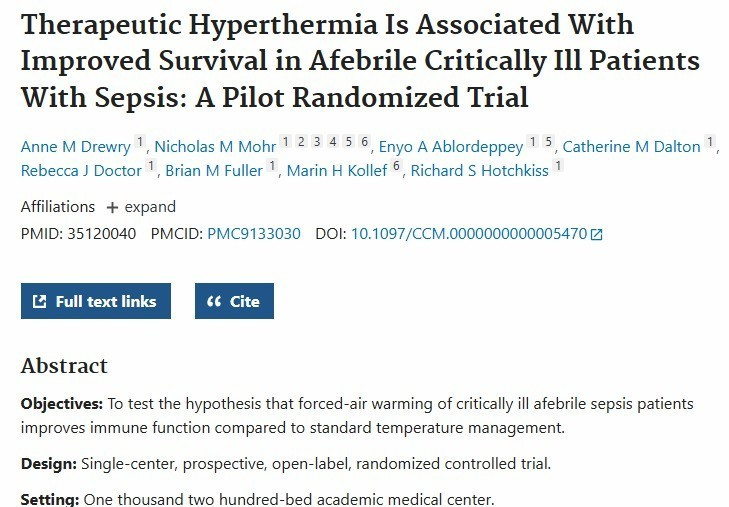
2022 CCM - Therapeutic Hyperthermia Is Associated w_Improved in Afebrile CIpxs w_ S• (Drewry) [RCT].pdf
Codified by YAPG
Glossary: CA = cancer, DIS = disease, ↓imm = immunosuppression, HLA = human leukocyte antigen, IFN = interferon gamma, L = lymphocytes, LPS = lipopolysaccharides, NK = natural killer, po_ = postoperative, r = risk, S• = sepsis, sc = single center, ⤹ = prior to
1. 𝙄𝙌𝘾 𝙨𝙘𝙤𝙥𝙚 ▶︎ Y, J, C ➖ T ➕ N ➕ t ➖ P I C O:
2. 𝙄𝙌𝘾 BS 🟰 2022, CCM, Washington 🇺🇸 ➖ sc_pros_ol_RCT ➕ 1200bed → 56 pxs ➕ Mar 2016 - Apr 2019 (3y) ➖ P I C O:
- 🅿: MV_S•_adults
- 🅸: ↑ Tº
- 🅲: standard Tº
- 🅾:
- pOC = monocyte HLA-DR expression
- sOC = CD3/CD28 induced IFN-∂ production ➕ MM ➕ fd_H+28
- oth_OC = feasibility ➕ safety
3. EVIDENCE.
a. ↑Tº ↗️ immune function
b. Fever →
i. fewer than half in S•
ii. may be ADAPTIVE RESPONSE to INF → ↗️ SS
c. Afebrile pxs → 2x ↑MM ➕ more likely to INF
d. Animals + in vitro ▶︎ ↑Tº → ↑:
i. Ab production
ii. T-cell ⊕
iii. macrophage function
iv. heat shock protein response
e. SEPSIS → mechanisms PRO + ANTI-inflammatory ➩ 🚨 prolonged ↓imm
f. Biomarkers ↔ ↓imm
i. ↓ HLA-DR
ii. ↓ LPS TNF-♾️
iii. ↓ anti-CD3/CD28-IFN-∂
iv. ↓ L
g. ↓imm persistent (compared to INTACT immunity):
i. ↑ MM
ii. ↑ INF
h. ↑ Tº:
i. immunomodulation in CA
ii. ↗️ function:
1. NK
2. dentritic cells
3. T cells
iii. perioperative warming
1. ↓ po_INF
4. DEFINITIONS
a. Severe S• (inicial 2001 consensus) 🆚 sepsis 3 (post-hoc review)
5. METHODS.
- 🪲 S• in 48h
- 🫁 anticipated MV >48h
- 💉 sedation w_RASS <0 - 🌡️ MAX 38.3ºC within 24h ⤹
Friday, July 24, 2026 at 18:00:13
EQO, LCO, RMCF, YAPG, HIBN, AAQC,
- immunologic DIS
- immune-suppressing MEDs 6m
- corticosterids >300 mg/d hydrocortisone or ≈
- Hep C ⌄ C
- any condition sensitive to ↑Tº (🧠 injury, etc.)
- pregnancy
- comfort TTO
- contraindication of warming
- other enrollment
6. RESULTS.
a. HLA-DR expression (p=0.396)
i. 🅸 692
ii. 🅲 2002
iii. ∑ 𝗡𝗢 𝗗𝗜𝗙𝗙
b. IFN-∂ production (p=0.678)
i. 🅸 31
ii. 🅲 69
iii. ∑ 𝗡𝗢 𝗗𝗜𝗙𝗙
c. MM28 (95%CI -48 to -2)
i. 🅸 18
ii. 🅲 43
iii. absolute r_↓ 25%
d. fd_H+28 (95%CI 0-11,6)
i. 🅸 13.1
ii. 🅲 0
iii. DIFF 2,6
7. RATIONALE.
8. SOURCE: Drewry AM, Mohr NM, Ablordeppey EA, et al. Therapeutic Hyperthermia Is Associated With Improved Survival in Afebrile Critically Ill Patients With Sepsis: A Pilot Randomized Trial. Crit Care Med. 2022;50(6):924-934. doi:10.1097/CCM.0000000000005470
⏳ TIME MANAGEMENT.
01:48:38
Round: 10 04:12:00 Comments
Round: 9 35:16:62 Methods
Round: 8 15:18:52 RECAP
Round: 7 11:12:90 Interpretation
Round: 6 02:57:83 Reading + notes (Intro)
Round: 5 15:04:70 RECAP
Round: 4 10:04:06 Interpretation
Round: 3 03:19:78 Reading + notes (abstract)Round: 2 00:43:96 ART selectionRound: 1 10:27:78 Past JC
2026 JAMA - The Sodium Paradox in Decompensated HF (Biegus) [vp].pdf
Codified by 𝙄𝙉𝘼𝘼𝙌𝘾 ᴮᴼ (YAPG)
Glossary: ★ = recommendation(s), 💨 = flow = perfusion, Æ = adverse effects, ESC-HF-A = European Society of Cardiology Heart Failure Association, HF = Heart FailurE, HTA = hypertension, HTS = hypertonic saline, MECHS = mechanisms, pPHY = pathophysiology, RAAS = renin-angiotensin-aldosterone system, supp = supplementation, UO = urine output, ∑ = consequently
1. Maladaptive handling → CENTRAL → pPHY of HF
2. 2 key OBS:
a. HOMEOSTASIS
i. impaired → ↑ accumulation
ii. pxs cannot excrete it adequately
b. EXCESS
i. edema + 🫁 congestion
ii. “experimental exposure” NaCl → Na retention + congestion
c. ∑ REASONING
i. ❝ Na restriction should PREVENT further accumulation of Na + H2O → ↓ congestion ▶︎ OFTEN FAILS TO DO SO
3. Na needed to ↓ “Na + H2O”
a. Considerations that contradicts (traditional paradigm):
i. Natriuresis:
1. positive relation w_UO
2. Na = critical fator in effective urine ❗️
ii. Loop diuretics
1. act through → Na dependen MECHS
iii. Regulators (Na + Cl)
1. intravascular tonicity
2. RAAS
3. diuresis
b. pPHY considerations:
i. Na helps PRESERVE ♾️ function, through MODULATION:
1. RAAS
2. intraglomerular HTA
3. glomerular 💨
ii. All the previous remain THEORETICAL
c. Na AVAILABITY ➕ PROPER HANDLING
i. ➩ effective DECONGESTION.
ii. challenges CONVENTIONAL WISDOM
iii. demands REEXAMINATION in light of emerging clinical data.
Friday, August 21, 2026 at 19:18:09 CEST
BAR, SLMG, HIBN, AAQC,
4. BENEFIT → Na+Cl supplemenation
a. NaCl supp → decongestive benefits in decompensated HF
b. Relaxation of Na restriction ➩ ★ ESC-HF-A document (Eur J Heart Fail. 2024)
c. Previous research ▶︎ limit Na intake (pxs + healthy):
i. ↓ natriuresis of furosemide
ii. ↑ diuretic tolerance
d. Animal models (shock) ▶︎ HTS
i. ↑ central hemodynamic
ii. ↑ visceral 💨
iii. ↑ UO
e. Salt supp ➩ ↓ neurohormonal drive (core MECH in pPHY HF)
f. ∑ ➩ sound good to USE NaCl supp
g. Real-world data ▶︎ HTS in diuretic-refractory HF:
i. ↑ diuretic effciency
ii. ↑ weigh loss
iii. ↗️ clinical + metabolic
iv. wo_Æ
h. MA of RCTs ▶︎ benefit w_ “HTS+furo” 🆚 ”furo alone”:
i. diuresis
ii. natriuresis
iii. ↑ clinical end points
i. TARGET-1 ➕ TARGET-2 ▶︎
i. Reprieve System
1. automated fluid mm system
2. monitors UO
3. returns a matched volume of 0.9% NaCl
4. maintains a set fluid balance
ii. 🅿 decompensated HF pxs
iii. 🅸 Reprieve System therapy + diuretics
iv. ® ↑ UO (6L/d) d_infusion 🆚 2L/day (day before)
v. ® ↑ UO (2L/d) a_infusion
vi. ∑1 ↪︎ 🅿 could
1. EXCRETE Na+H2O ❝ contradictory to traditional dogma
2. maintained a (-) balance Na-H2O ❝despite or perhaps in response to supp
vii. ∑2 ↪︎ 🅿 w_NaCl infusion could more effectively:
6. RESULTS.
1. EXCRETE Na
2. EXCRETE volume
viii. Set balance = 100mL/h net negative
j.
7. SOURCE:
⏳ TIME MANAGEMENT.
01:28:09
Round: 8 01:05:47 Comments
Round: 7 22:12:32 RECAP
Round: 6 12:34:44 Interpretation 2
Round: 5 14:38:18 RECAP 1
Round: 4 12:28:92 Interpretation
Round: 3 09:47:87 Reading + notes
Round: 2 08:15:87 ART selectionRound: 1 07:06:73 Past JC
2024 JACP - Neuroprognostication After Cardiac Arrest (Kromm) [CP].pdf
Codified by 𝙄𝙉𝘼𝘼𝙌𝘾 ᴮᴼ (MASP)
Glossary: af_ = after, CA = cardiac arrest, DX = diagnostic, diagnosis, DYSF = dysfunction, HIBI = hypoxic-ischemic brain injury, ischHepat = ischemic hepatitis, neuroPROG = neuroprognostication, TTO = treatment, WLST = withdrawal of life-sustaining therapies
1. UNCERTAINTY ➩ coma af_CA
a. DX
b. TTO
c. despite → advances in TECH + RESUS CARE
d. How best to prognosticate?
2. GL ▶︎ variability in CLINICAL PRACTICE
3. Clinical case → PRINCIPLES evaluated + APPROACH to neuroPROG
a. Clinical exam
b. Neuroimaging
c. Neurophysiology
d. Multimodal approach
e. Multidisciplinary team
4. INCIDENCE
a. OHCA 47,3 per 100k person/y
b. IHCA 1,8 per 1k admissions/y
5. COMATOSE postCA ➩ 80% → HIBI
Friday, August 28, 2026 at 18:05:08 CEST
BAR, SLMG, HIBN, AAQC,
6. DEATH:
a. small proportion → HD instability + MOD
b. frequent case → WLST
7. Best practice to AVOID:
a. inappropriate WLST
b. premature WLST
c. harmful invDev
8. CLINICAL CASE
a. 56yo ♂︎
b. Unresponsive (drug paraphernalia)
c. Unwitnessed, asystolic OHCA
d. 10min CPR
e. 2x EPI
f. ROSC
g. H+ → GCS 3 + “fixed & dilated” pupils.
h. CAUSE
i. drugs overdose…? → opioids + BZD + metamphetamines urine
ii. ECG + ECHO + RX → ⊖
iii. CT → ⊖
iv. LAB → AKI + ischHepat (mild synthetic DYSF)
v. ICU → GCS 4 (motor 2… 1, 1) + jerking movements (face + limbs)
i. TTO
i. levetiracetam
j. EEG
i. generalized slowing + suppression
ii. no epileptiform discharge or seizures
7. SOURCE: Kumar P, Kaur K. Neuroprognostication after cardiac arrest: Updated insights from the 2025 ERC-ESICM guidelines. J Anaesthesiol Clin Pharmacol. 2026;42(2):171-174. doi:10.4103/joacp.joacp_695_25
⏳ TIME MANAGEMENT.
01:28:09
Round: 8 01:05:47 Comments
Round: 7 22:12:32 RECAP
Round: 6 12:34:44 Interpretation 2
Round: 5 14:38:18 RECAP 1
Round: 4 12:28:92 Interpretation
Round: 3 09:47:87 Reading + notes
Round: 2 08:15:87 ART selectionRound: 1 07:06:73 Past JC